
When I try to picture 40 feet, I always compare it with real things I see every day. Numbers alone feel flat, but examples make them come alive. Once I match the distance with objects like vehicles or trees, it suddenly becomes something I can imagine and almost feel around me.
I think measurements make more sense when they fit into familiar moments. When I imagine walking a distance, or seeing it stretch across a yard or a road, 40 feet starts to feel real. It becomes more than a figure and turns into something my mind can easily visualize.
For me, the best way to understand 40 feet is to break it into everyday examples. Whether it’s the length of a long vehicle, a tall object, or a space you could walk across in a few seconds, these comparisons help turn the measurement into something clear and simple.
How long is 40 feet?
Whenever I think about how long 40 feet truly is, I imagine myself standing at one end of an open space and looking toward the other. That moment when the distance feels just out of reach helps me understand it better. It’s far enough to notice, yet close enough to picture clearly.
Explaining 40 feet becomes easier when I link it to moments from daily life. Sometimes I compare it to a space I could walk across in a heartbeat, while other times I see it as the length of a tall object stretching upward. These small visual tricks make the measurement stick in my mind.
1. Standard School Bus

A full-size school bus is around 40 feet long. I like to imagine standing at its front and looking to the back. That stretch instantly gives a sense of the length and makes 40 feet feel real, like something you can see and touch.
When parked on a street, the bus seems to stretch a long way. Walking alongside it, step by step, helps me feel how far 40 feet is. Each door, window, and wheel adds a little more to the distance in my mind.
The modern school bus design started in the 1930s in the United States to safely transport children to school. Over the years, its size and shape became standard, and a 40-foot bus has been a reliable symbol of school transport for decades.
2. Juvenile Blue Whale

A young blue whale can be around 40 feet long. I imagine it gliding in the ocean, massive and graceful. Visualizing this helps me understand how wide or long 40 feet can truly be in real life.
Comparing a whale to everyday objects makes the distance feel huge. It’s longer than most cars, buses, or even small boats. Thinking of a living creature of this size really anchors the number in my mind.
Blue whales have existed for millions of years, long before humans walked the Earth. Early whalers recorded their massive size, and even young whales reaching 40 feet were seen as remarkable giants of the ocean throughout history.
3. Standard Telephone Pole
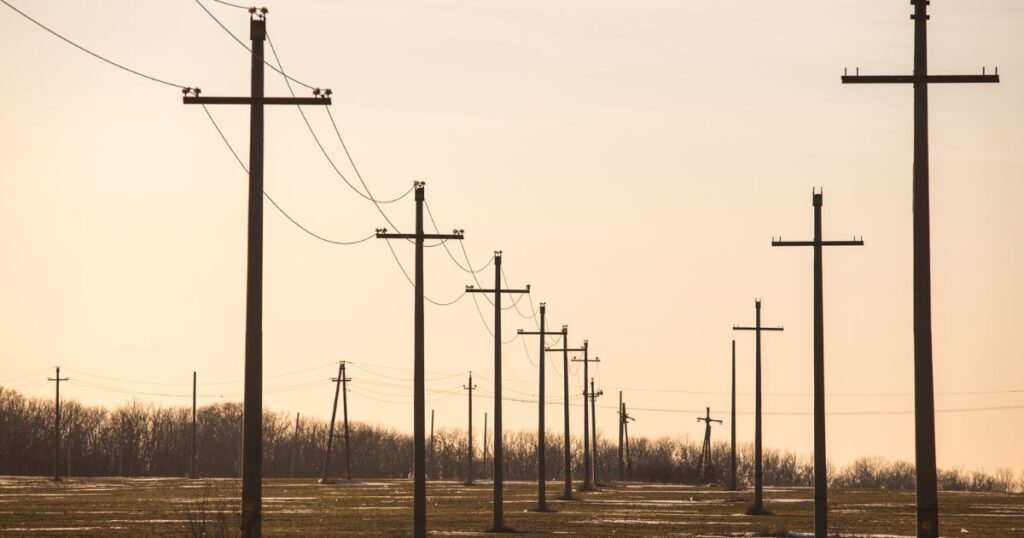
Many wooden telephone poles are about 35–40 feet tall. I picture one standing on the street, rising above houses. That height gives me a clear sense of what 40 feet looks like vertically.
Walking to the base of a pole and looking up makes the measurement feel real. I can imagine stacking poles to reach higher or measuring the distance along the street to feel 40 feet horizontally.
Telephone poles became common in the late 1800s with the invention of the telephone. Wooden poles around 40 feet tall were used to carry early telephone and telegraph lines across cities and countryside, shaping communication history.
4. Young Giant Sequoia Tree

A young giant sequoia tree can reach around 40 feet. I imagine standing at its base, craning my neck to see the top. That moment gives a sense of height and distance that numbers alone can’t provide.
Walking around the tree and noticing its wide trunk makes 40 feet feel even longer. Nature gives measurements life, and a tree this size is something I can see, touch, and feel.
Giant sequoias have stood for thousands of years. Early explorers in California marveled at their size, and even young trees reaching 40 feet were admired for their growth potential and place in the natural history of the region.
5. Four Stacked Basketball Hoops
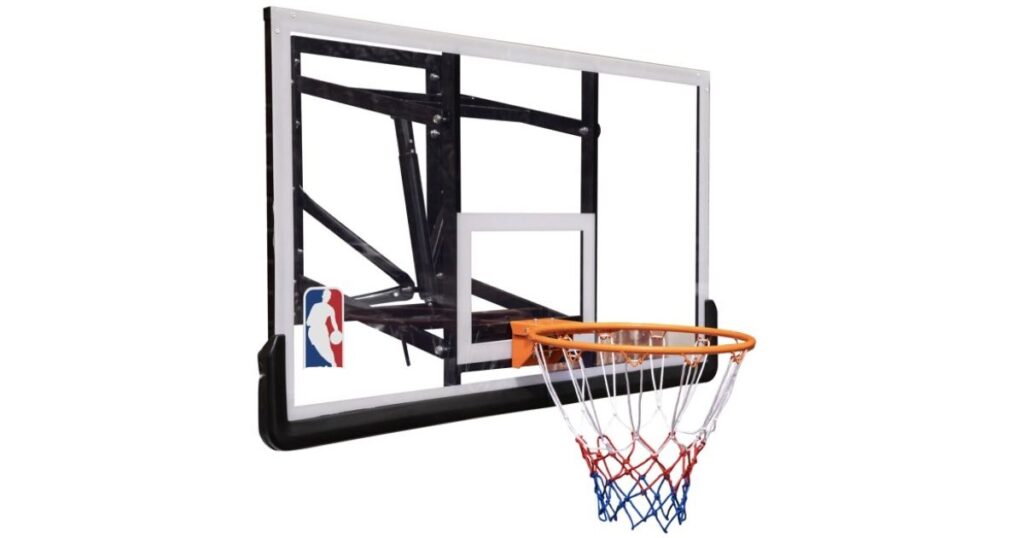
One basketball hoop is 10 feet high. If I stack four of them in my mind, that reaches 40 feet. I like imagining them one on top of the other, giving a clear visual of the distance.
Looking at a hoop and thinking of four stacked together makes the number feel less abstract. It’s something I can picture on a court or in a gym, turning measurement into an everyday scene.
Basketball was invented in 1891 by Dr. James Naismith. The 10-foot hoop became standard, and imagining four stacked hoops highlights how this simple sport measurement has endured over a century as a consistent standard.
6. Semi-Truck Trailer
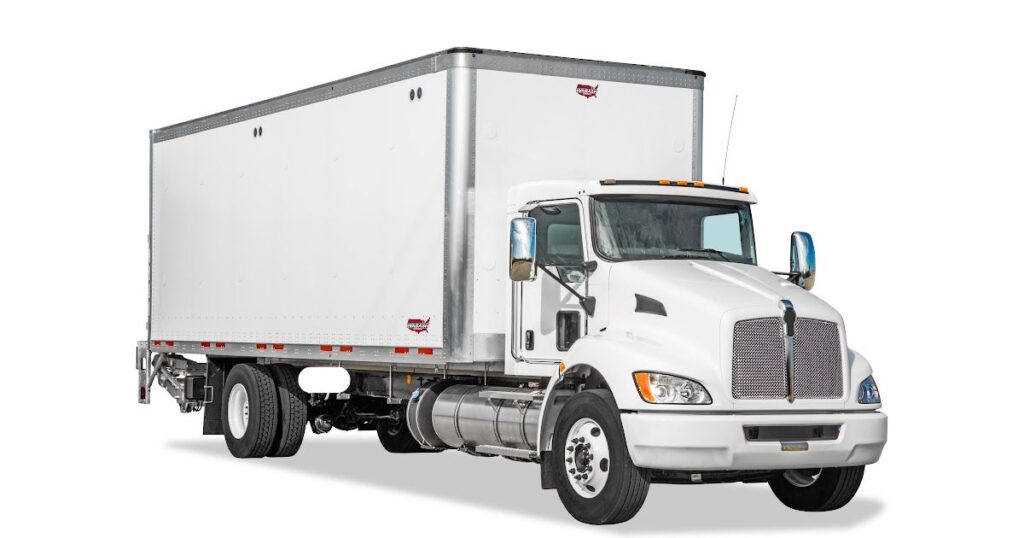
A semi-truck trailer can measure 40 feet long. I like to imagine walking alongside it. Step by step, the length becomes clear, and I can almost feel how far the trailer stretches on the road.
Seeing a trailer parked at a warehouse or on the highway makes the distance real. Comparing it to everyday vehicles, 40 feet feels surprisingly long but easy to picture in daily life.
Semi-truck trailers became popular in the 20th century with the rise of long-distance freight. The 40-foot length was standardized for efficiency, helping transport goods worldwide and shaping modern logistics.
See More: How Big Is 200 Acres: 9 Surprising Examples That…
7. Large Shipping Container
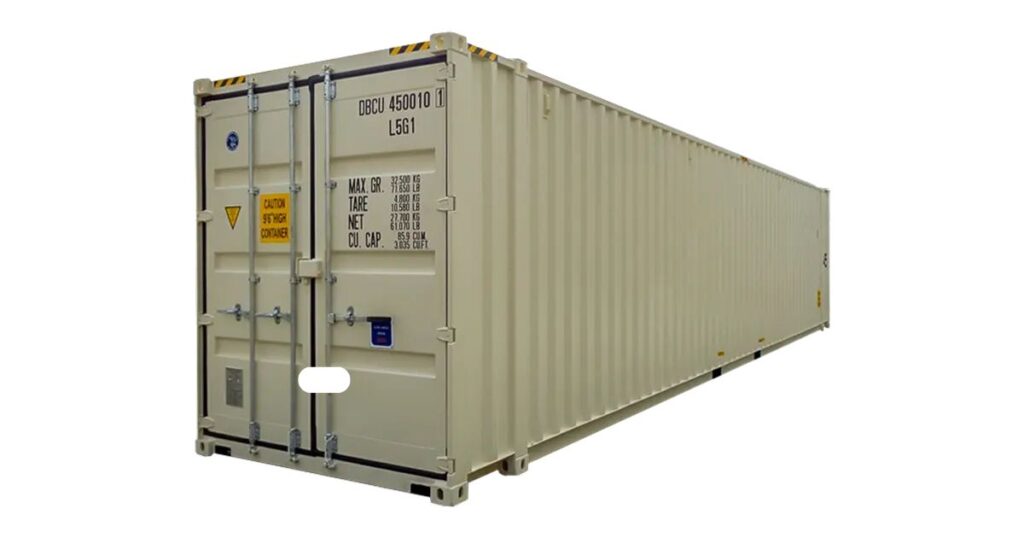
A 40-foot shipping container is a familiar sight at ports. I imagine standing beside one and measuring its full length. It gives a very clear visual of how long 40 feet really is.
Containers travel across oceans, trucks, and trains. Thinking about their size in real life makes the number feel practical and tangible, not just abstract.
Shipping containers revolutionized trade in the 1950s. The 40-foot design became standard for global shipping, transforming how goods moved efficiently and safely across continents.
8. Medium Backyard Width
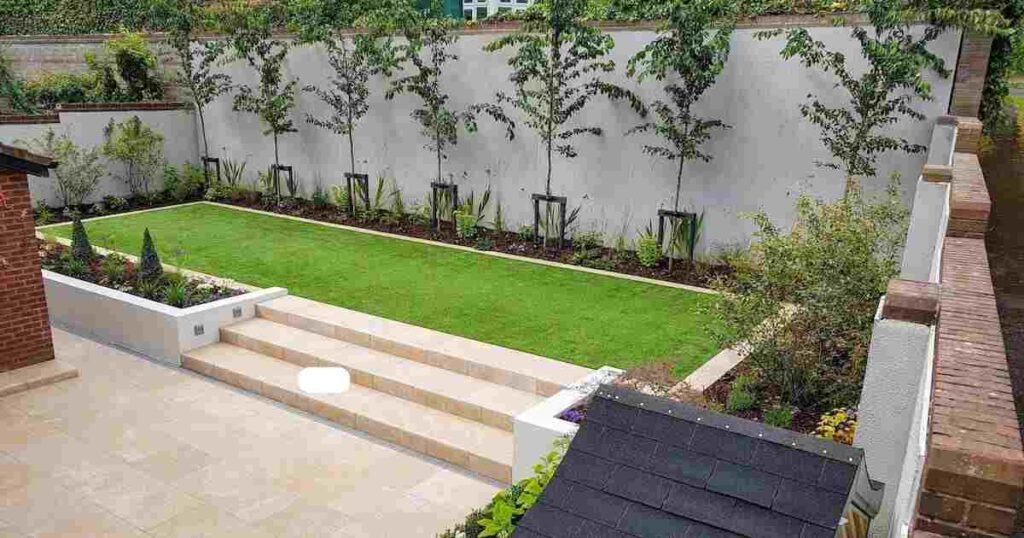
Many backyards stretch around 40 feet across. I imagine walking from one side to the other. That distance suddenly feels measurable, like something I can cross in under a minute.
Standing at one end and looking across gives a good sense of scale. It’s long enough to play a small game or plant a row of trees, making 40 feet practical and visible.
In the early 20th century, suburban homes often had backyards around 40 feet wide. These spaces were designed for recreation and gardening, shaping the classic idea of home outdoor space.
9. Eight Small Cars in a Row

Lining up eight small cars, each about 14–16 feet, reaches close to 40 feet. I like picturing them bumper to bumper; it makes the length easy to see and understand.
Walking along the row, I imagine each car adding to the total distance. It turns the abstract number into a practical, visual example anyone can relate to. For example, if a single car is about 5 feet wide, lining eight cars in a row helps you imagine the full 40 feet.
Cars became widely available in the early 1900s. Over time, standard compact cars measured around 14–16 feet, and lining several together provides a simple way to visualize longer distances.
10. Medium-Sized Boat

Many recreational boats measure around 40 feet. I picture standing on a dock, looking at one from bow to stern. That visual immediately gives me a sense of the length.
Boats like this are common for fishing or leisure trips. Seeing one in water makes 40 feet tangible, and I can imagine walking along the deck to understand the distance.
Boats have been essential for travel and trade for centuries. By the 20th century, medium-sized leisure boats became popular, often around 40 feet, marking a shift from purely functional to recreational use.
11. Half a Tennis Court
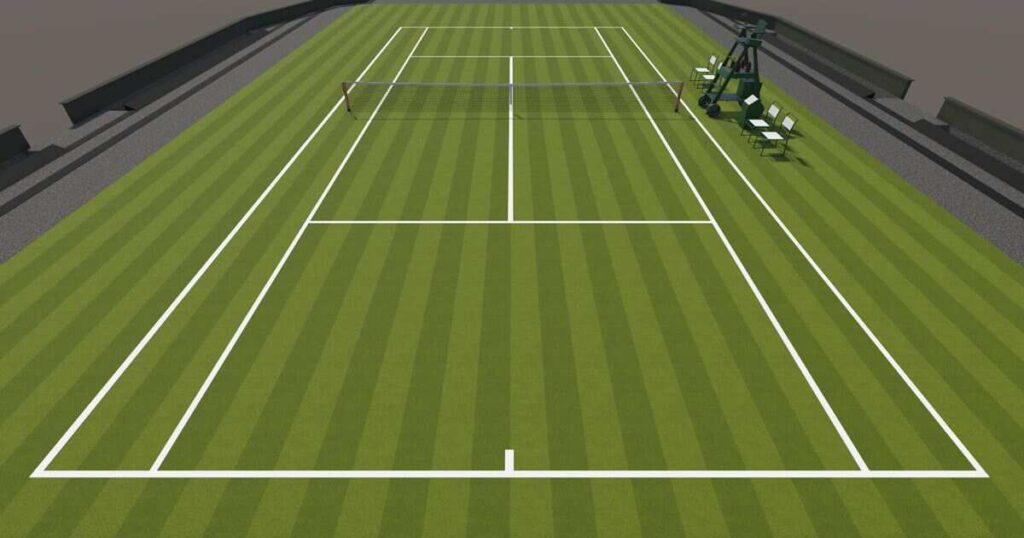
A tennis court is 78 feet long. Half of it is almost exactly 40 feet. I imagine standing at the baseline and walking to the middle, and suddenly the measurement feels clear and reachable.
Tennis players experience this distance every match. It’s long enough to sprint across, yet short enough to make quick movements, giving a perfect sense of 40 feet in action.
Tennis courts were standardized in the late 1800s. Half the court’s length approximates 40 feet, making it an easy reference for players and spectators to visualize distances in the game.
12. Long Living Room and Dining Space

Some home layouts reach about 40 feet when a living room and dining area are combined. I imagine walking from one end to the other, feeling the space stretch comfortably around me.
This distance allows for furniture, walking space, and gatherings. Thinking of a house this way helps me picture 40 feet in a familiar, everyday setting.
Large, open home designs became popular in the mid-20th century. Combining living and dining spaces often reached around 40 feet, reflecting changing lifestyles and modern architecture trends.
13. Row of Streetlights

Streetlights are often spaced so that several together stretch around 40 feet. I imagine walking along the row, counting each light until I reach the full distance.
Standing at the first light and looking down the street gives a clear sense of how long 40 feet is. The spacing feels natural and practical for streets and sidewalks.
Streetlights became widespread in cities in the 19th century. Spacing them carefully, often around 40 feet apart for visibility, helped shape urban planning and nighttime safety standards.
Conclusion
Understanding how long is 40 feet becomes simple when we connect it with things we see every day. From school buses to blue whales, semi-trucks to tennis courts, each example turns numbers into something real. Visualizing these objects makes the distance feel tangible and easy to imagine.